
What to Wear to the Gym: A Practical Guide to Gym Clothes and Gym Sets
2026-10-03 · 4 min read
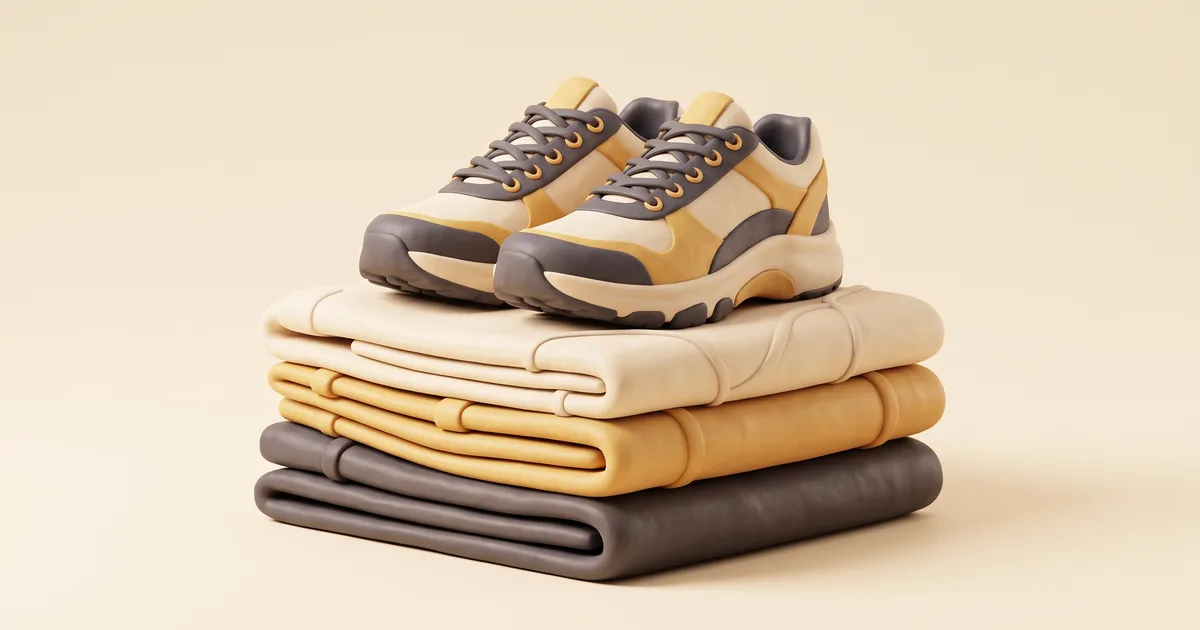
"Gym set" searches rose 150% last year, with "gym pants" up 70%, "gym shoes" up 60% and "gym clothes" and "gym wear" also climbing. Most people searching want a practical answer: what should I actually wear to train comfortably and effectively?
Here's a function-first guide to gym clothes for every type of training. No brands, just what works.
The short answer
- Top: a breathable, moisture-wicking T-shirt or tank. For women, a supportive sports bra matched to your activity.
- Bottom: shorts, joggers or leggings that let you squat deep without restriction.
- Shoes: flat and stable for lifting; cushioned for running; cross-trainers for mixed classes.
- Fabric: technical fabric (polyester, nylon, blends) or merino wool, rather than heavy 100% cotton for sweaty sessions.
- Fit: not so loose it catches on equipment, not so tight it restricts movement.
What to wear by type of training
| Training | Top | Bottom | Shoes |
|---|---|---|---|
| Weightlifting / bodybuilding | Fitted tee or tank | Shorts, joggers or leggings with stretch | Flat, stable; or weightlifting shoes |
| Powerlifting | Tee that grips the bar on your back (not slippery) | Shorts or leggings; long socks for deadlifts | Flat shoes / lifters |
| Running / cardio machines | Lightweight wicking top | Running shorts or tights | Running shoes |
| HIIT / CrossFit / classes | Wicking top | Shorts or leggings that don't need adjusting mid-burpee | Cross-trainers |
| Yoga / Pilates / mobility | Fitted top (won't ride up when inverted) | Leggings / fitted shorts | Barefoot or grip socks |
| Cold-weather or outdoor | Layers: base + light top | Joggers or tights | Depends on training |
Fabrics: what works and why
| Fabric | Pros | Cons |
|---|---|---|
| Polyester / nylon blends | Wick sweat, dry fast, stretchy with elastane | Can hold odours; wash promptly |
| Merino wool | Naturally odour-resistant, temperature-regulating | Pricier, less durable in abrasion |
| Cotton | Comfortable, cheap, good bar grip | Soaks up sweat and gets heavy |
| Cotton-poly blends | Comfort plus some wicking | Middle ground |
Tip: for heavy lifting days, a cotton or cotton-blend tee grips the barbell on your back better than a slippery technical top, so squats feel more stable.
Track this free in GymMonster — on iOS, Android, or right inside Telegram.


Gym sets: are they worth it?
A "gym set" is a matching top-and-bottom outfit. The growth in searches (+150%) is partly about fashion, and that's fine. Feeling good in what you wear is a real motivator. For function, check that a set:
- Passes the squat test. Leggings shouldn't go see-through, and shorts shouldn't ride up.
- Stays put. No constant tugging during burpees or overhead work.
- Has pockets that hold a phone or locker key, handy if you log sets or use a rest timer on your phone.
- Washes well without pilling or shrinking.
Shoes matter more than the outfit
Of everything you wear, shoes affect your training the most:
- Soft running shoes make heavy squats and deadlifts less stable.
- Flat soles give a solid base for lifting.
- Cross-trainers handle mixed sessions.
The full breakdown is in our weightlifting shoes guide.
Accessories worth having
- Gym bag with a separate section for sweaty clothes. See what to pack in your gym bag
- Water bottle
- Small towel (required in many gyms)
- Hair ties / headband
- Lifting belt, straps or chalk if you lift heavy. See powerlifting equipment and straps vs gloves
What not to wear
- Jeans or non-stretch trousers: they restrict squats and lunges.
- Very baggy clothing around moving machines or barbells.
- Jewellery: rings and bracelets snag, scratch equipment and can injure fingers.
- Flip-flops or sandals on the gym floor (except in changing rooms).
- Anything you'll constantly adjust: it's distracting and slows your workout.
Gym dress-code etiquette
Many gyms require closed-toe shoes and a shirt, and some ban very revealing clothing or chalk. Check the rules. More on unwritten rules in our gym etiquette guide.
First time at the gym?
Don't overthink it. A comfortable T-shirt, stretchy shorts or leggings and flat trainers are enough for your first months. Spend your energy on a good plan instead. See how to start going to the gym.
The bottom line
Wear breathable, stretchy clothes that let you move freely and don't need adjusting, a supportive sports bra if you need one, and the right shoes for your training (flat for lifting, cushioned for running). A matching gym set is a nice bonus if it helps you show up.
And bring your phone. GymMonster logs every set in seconds between rests, so you leave with a record of what you did as well as a good outfit.
Frequently asked questions
What should I wear to the gym for the first time?
A breathable T-shirt, stretchy shorts or leggings that let you squat freely, a supportive sports bra if needed, and flat, stable trainers. You don't need specialist gear to start.
Is cotton good for gym clothes?
Cotton is comfortable and grips a barbell well, but it absorbs sweat and gets heavy. Technical fabrics or merino wool are better for sweaty cardio and HIIT sessions.
What shoes should I wear to lift weights?
Flat, stable shoes with a firm sole, or weightlifting shoes with a raised rigid heel for squats. Avoid soft, heavily cushioned running shoes for heavy lifting.
What is a gym set?
A gym set is a matching workout outfit — typically a top (or sports bra) and shorts or leggings. Choose one that passes a squat test, stays in place and washes well.
Start tracking your workouts free
GymMonster is free on iOS and Android — or open it right inside Telegram, no download needed. Log your first set in under a minute.