
Bodybuilding Diet Food List: What to Eat to Build Muscle (With Macros)
2026-10-04 · 6 min read
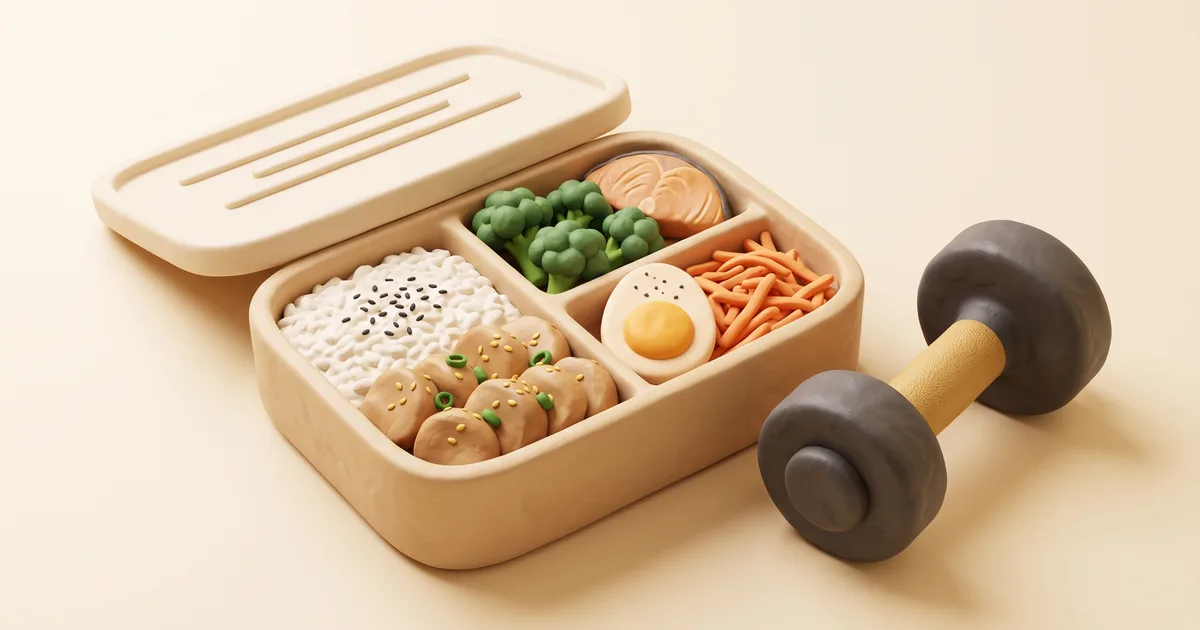
"Bodybuilding food" searches grew about 30% last year. It's one of the most practical bodybuilding questions there is. Training starts muscle growth; food provides the materials. You don't need exotic ingredients or a rigid plan, just the right foods in the right amounts, consistently.
Here's a straightforward food list with macros, plus how much to eat when bulking or cutting, and a sample day.
The short answer
- Protein: 1.6–2.2 g per kg of bodyweight daily, spread across 3–5 meals.
- Calories: small surplus to build (+200–400 kcal/day); moderate deficit to cut (−300–500 kcal/day).
- Carbs: your main training fuel. Most of the remaining calories after protein and fat.
- Fats: about 20–35% of calories.
- Base your diet on whole foods: lean proteins, whole grains, potatoes, rice, fruit, vegetables, dairy, eggs, nuts and olive oil.
Protein sources
| Food | Serving | Protein | Calories |
|---|---|---|---|
| Chicken breast (cooked) | 100 g | ~31 g | ~165 |
| Lean beef mince, 5% fat (cooked) | 100 g | ~26 g | ~175 |
| Salmon (cooked) | 100 g | ~25 g | ~205 |
| Tuna (canned in water) | 100 g | ~25 g | ~115 |
| Eggs | 2 large | ~13 g | ~145 |
| Greek yogurt (0–2%) | 200 g | ~20 g | ~120–150 |
| Cottage cheese | 200 g | ~22 g | ~180 |
| Whey protein | 30 g scoop | ~24 g | ~120 |
| Tofu (firm) | 150 g | ~20 g | ~180 |
| Lentils (cooked) | 200 g | ~18 g | ~230 |
| Tempeh | 100 g | ~19 g | ~190 |
Approximate values. Check labels, since brands and preparation vary.
Carbohydrate sources
| Food | Serving | Carbs | Calories |
|---|---|---|---|
| Rice (cooked) | 200 g | ~56 g | ~260 |
| Oats (dry) | 80 g | ~48 g | ~300 |
| Potatoes (boiled) | 300 g | ~52 g | ~230 |
| Sweet potato (baked) | 250 g | ~50 g | ~225 |
| Wholegrain pasta (cooked) | 200 g | ~60 g | ~300 |
| Banana | 1 medium | ~27 g | ~105 |
| Wholegrain bread | 2 slices | ~30 g | ~180 |
| Berries | 150 g | ~15–20 g | ~70–85 |
Fat sources
| Food | Serving | Fat | Calories |
|---|---|---|---|
| Olive oil | 1 tbsp (15 ml) | ~14 g | ~120 |
| Avocado | ½ fruit | ~11 g | ~120 |
| Almonds | 30 g | ~15 g | ~175 |
| Peanut butter | 2 tbsp (32 g) | ~16 g | ~190 |
| Whole eggs | (see above) | ~10 g per 2 | — |
| Oily fish (salmon, mackerel) | 100 g | ~12–18 g | — |
Fruit and vegetables
Don't skip them. Fibre, micronutrients and fullness (especially while cutting) all come from plants. Aim for at least 5 portions a day and a range of colours: leafy greens, broccoli, peppers, carrots, tomatoes, berries, citrus.
Track this free in GymMonster — on iOS, Android, or right inside Telegram.


How much should you eat?
Step 1: Estimate maintenance
A rough starting estimate: bodyweight (kg) × 30–35 kcal for moderately active lifters. Track your weight for 2 weeks and adjust.
Step 2: Set your goal
| Phase | Calories | Protein | Fat | Carbs |
|---|---|---|---|---|
| Lean bulk | Maintenance +200–400 | 1.6–2.2 g/kg | 20–30% | The rest |
| Maintain / recomp | Maintenance | 1.8–2.2 g/kg | 25–35% | The rest |
| Cut | Maintenance −300–500 | 2.0–2.4 g/kg (higher helps preserve muscle) | 20–30% | The rest |
Aim to gain about 0.25–0.5% of bodyweight per week when bulking and lose about 0.5–1% per week when cutting.
A sample day (≈2,800 kcal, ≈170 g protein)
| Meal | Food |
|---|---|
| Breakfast | 80 g oats with milk, 1 scoop whey, banana, 1 tbsp peanut butter |
| Lunch | 150 g chicken breast, 250 g rice, mixed vegetables, 1 tbsp olive oil |
| Pre-workout snack | 200 g Greek yogurt with berries and honey |
| Dinner | 150 g salmon, 300 g potatoes, large salad with avocado |
| Evening | 200 g cottage cheese or a casein shake, a handful of almonds |
Meal timing: does it matter?
Less than people think. Total daily protein and calories matter most. A few useful habits:
- Spread protein over 3–5 meals of about 0.3–0.5 g/kg each.
- Eat a meal with protein and carbs within a few hours before and after training.
- A protein-rich meal before bed may give a slight benefit.
Supplements
Supplements are the smallest piece of the puzzle. The ones with strong evidence are creatine monohydrate, protein powder (for convenience) and caffeine. The rest are optional. See the best supplements for bodybuilders. Be sceptical of trendy "peptides." Here's what the research says.
Diet mistakes that stall gains
- Not enough protein. The most common issue.
- "Dirty bulking." A huge surplus adds mostly fat, especially for natural lifters.
- Cutting too aggressively. Very large deficits cost muscle.
- Ignoring alcohol calories. See alcohol and muscle growth.
- Eating well but training randomly. Food supports growth; progressive overload causes it.
The bottom line
A bodybuilding diet is lean proteins, whole-food carbs, healthy fats, plenty of fruit and vegetables, and the right calorie target for your goal. Hit 1.6–2.2 g/kg of protein daily, keep your surplus or deficit modest, and let consistency do the work.
Then make sure the training side matches: GymMonster logs every set and personal record, so you can see all that protein turning into progress. Need a program? Start with our beginner bodybuilding program.
Frequently asked questions
What should I eat to build muscle?
Prioritise lean protein (chicken, fish, eggs, dairy, lean beef, tofu, lentils), whole-food carbohydrates (rice, oats, potatoes, fruit), healthy fats (olive oil, nuts, avocado) and plenty of vegetables, in a small calorie surplus.
How much protein do bodybuilders need per day?
About 1.6–2.2 grams per kilogram of bodyweight per day, spread over 3–5 meals. During a cut, the higher end (or slightly above) helps preserve muscle.
How many calories should I eat to bulk?
Roughly 200–400 calories above maintenance, aiming to gain about 0.25–0.5% of bodyweight per week. Larger surpluses mostly add fat.
Is meal timing important for muscle growth?
Less than total daily protein and calories. Spreading protein across several meals and eating around your training sessions are helpful but secondary.
Start tracking your workouts free
GymMonster is free on iOS and Android — or open it right inside Telegram, no download needed. Log your first set in under a minute.