Chin-ups Pull-Ups
Pull-ups and chin-ups are a home-gym and gym staple — a single bar builds a wide back, strong grip and solid arms with zero equipment cost beyond the bar itself.
Equipment
Bodyweight (pull-up bar)
Difficulty
beginner
Sets & reps
3-4 sets · As many reps as possible with good form
Muscles worked
Lats, Biceps, Rear delts, Core
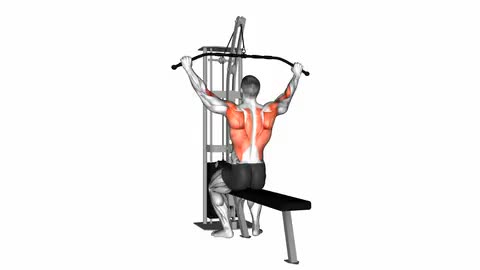
A bodyweight vertical pull performed hanging from a bar, one of the best exercises for building a wide, strong back and grip strength.
How to do it
- Grip the bar with hands slightly wider than shoulder width (overhand) or shoulder width (underhand for chin-ups).
- Hang with arms fully extended and core braced.
- Pull your chest up toward the bar by driving your elbows down.
- Keep your legs still and avoid kipping or swinging.
- Lower yourself under control to a full hang before the next rep.
Coaching tips
- If you can't yet do a full rep, use a resistance band looped over the bar for assistance.
- Chin-ups (underhand grip) are usually easier to start with than pull-ups (overhand).
- Full range of motion — a full hang to full chest-to-bar — builds more strength than partial reps.
Common mistakes
- Only doing the top half of the rep and never fully extending the arms.
- Kipping or swinging the legs to cheat the weight up.
Frequently asked questions
What's the difference between a pull-up and a chin-up?
Pull-ups use an overhand grip and hit the back slightly more; chin-ups use an underhand grip and involve the biceps more, making them a bit easier for most people.
How do I get my first pull-up?
Build up with band-assisted reps, negative reps (jump up, lower slowly), and pulldowns until you can lift your full bodyweight.
Start tracking your workouts free
GymMonster is free on iOS and Android — or open it right inside Telegram, no download needed. Log your first set in under a minute.